
1923-1949
From its creation through the war

In April 1923, the coastal and domestic shipping division of Nippon Yusen Kabushiki Kaisha was separated and the first Kinkai Yusen Kabushiki Kaisha was established with capital of 11 million yen. The company owned 22 ships totaling 54,522 gross tons.
At the time of its founding, the routes it inherited from Nippon Yusen Kabushiki Kaisha (NYK Line) included Kobe/Otaru, Kobe/Kushiro, Yokohama/Ogasawara, Yokohama/Sakhalin, Otaru/Sakhalin, Hakodate/Abashiri/Kuril, Hakodate/Sakhalin, and Kobe/Tianjin. After overcoming numerous difficulties, including the Great Kanto Earthquake and the financial depression, the company expanded into the tramp sector in the north, handling North Pacific lumber and Sakhalin coal, and in the south, expanded its Taiwan routes and launched the Fuji Maru, the highest standard passenger ship at the time.
Between 1935 and 1939, it grew to become Japan's third largest liner company after Nippon Yusen and Osaka Shosen.
The outbreak of the Second Sino-Japanese War in 1937, and the signing of the Tripartite Pact between Japan, Germany, and Italy in the same year, led to a gradual decline in trade as Japan faced economic blockades by the United States, Britain, the Netherlands, and other countries, resulting in a reduction in the waters in which Japan's ocean-going shipping routes were active.
Under these circumstances, Kinkai Yusen Co., Ltd. was merged again into Nippon Yusen Kabushiki Kaisha in 1939. In June 1943, with the Pacific War intensifying and Japan's maritime transportation capacity under extreme pressure, Yusen Kinkai Kisen Co., Ltd. was established under government guidance with the aim of securing maritime transportation capacity using wooden steamships. The company was engaged in transporting coal, limestone, and fertilizer between coastal ports in the mainland, coal and rice between the mainland and the Korean Peninsula, and oil to the south.
In the two years leading up to the end of the war in August 1945, 61 ships, or three-quarters of all ships, were lost, along with many sailors and staff.
1949-1988
The Showa period of growth
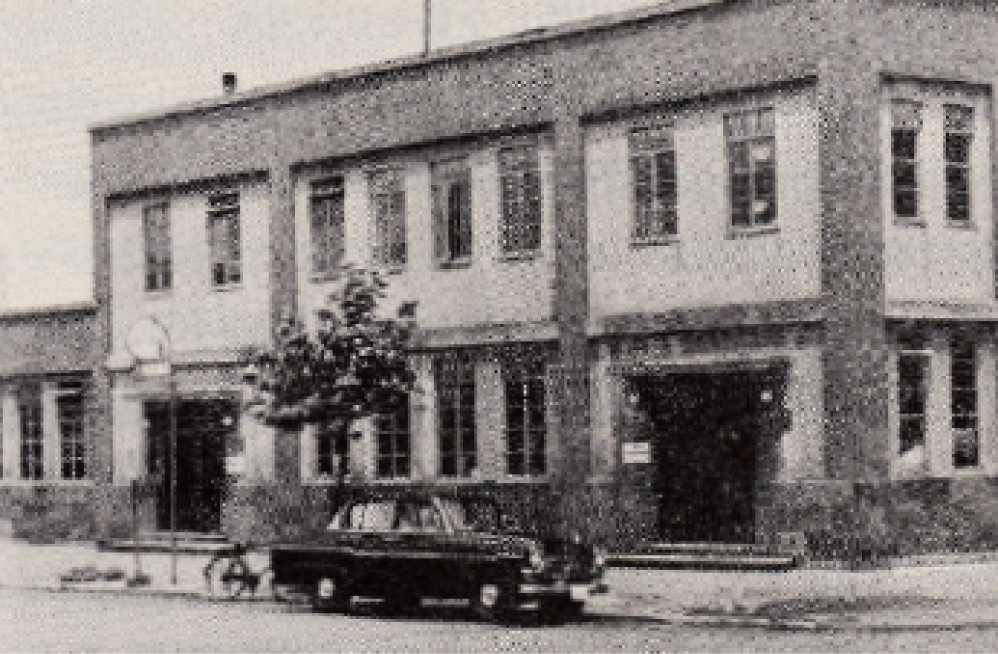
After the war, in July 1949, in accordance with the Corporate Reconstruction and Adjustment Act, Yusen Kinkai Kisen Co., Ltd. was dissolved and a second company, Kinkai Yusen Co., Ltd., was established.
Taking over the name and flag of the former Kinkai Yusen Co., Ltd., the company aimed to expand its business in the coastal waters using steel ships.
1989-present
Entering the Heisei era

In October 2003, Kinkai Yusen Logistics Co., Ltd. was established with 100% investment from Nippon Yusen, and in December of the same year, it took over the regular shipping business and intermodal transport business of the former Kinkai Yusen . At the same time, it took over the long-familiar Kinkai Yusen and KYKLINE trademarks, funnel mark, and company flag.
As a result, we have become a shipping company that operates a large number of RORO ships, and we provide services from Hokkaido to Okinawa to the present day. In 2013, we changed our company name to " Kinkai Yusen Co., Ltd.", and continue to operate under our traditional name and history.
In addition, we have entrusted the management and crewing of our company's ships to Kinkai Yusen Hokkaido Co., Ltd. (formerly Yusen Kushiro Transport Co., Ltd.), thereby building a system that includes affiliated companies and expanding our services.
History
July 1949
After the war, in accordance with the Corporate Reconstruction and Adjustment Act, Yusen Kinkai Kisen Co., Ltd. was dissolved and a second company, Kinkai Yusen Co., Ltd., was established. Taking on the name and flag of the former Kinkai Yusen Co., Ltd., the company aimed to expand its business in the coastal area using steel ships.
September 1949
Following the privatization of small steel ships, we began operating the cargo ship "Fujimaru."
April 1950
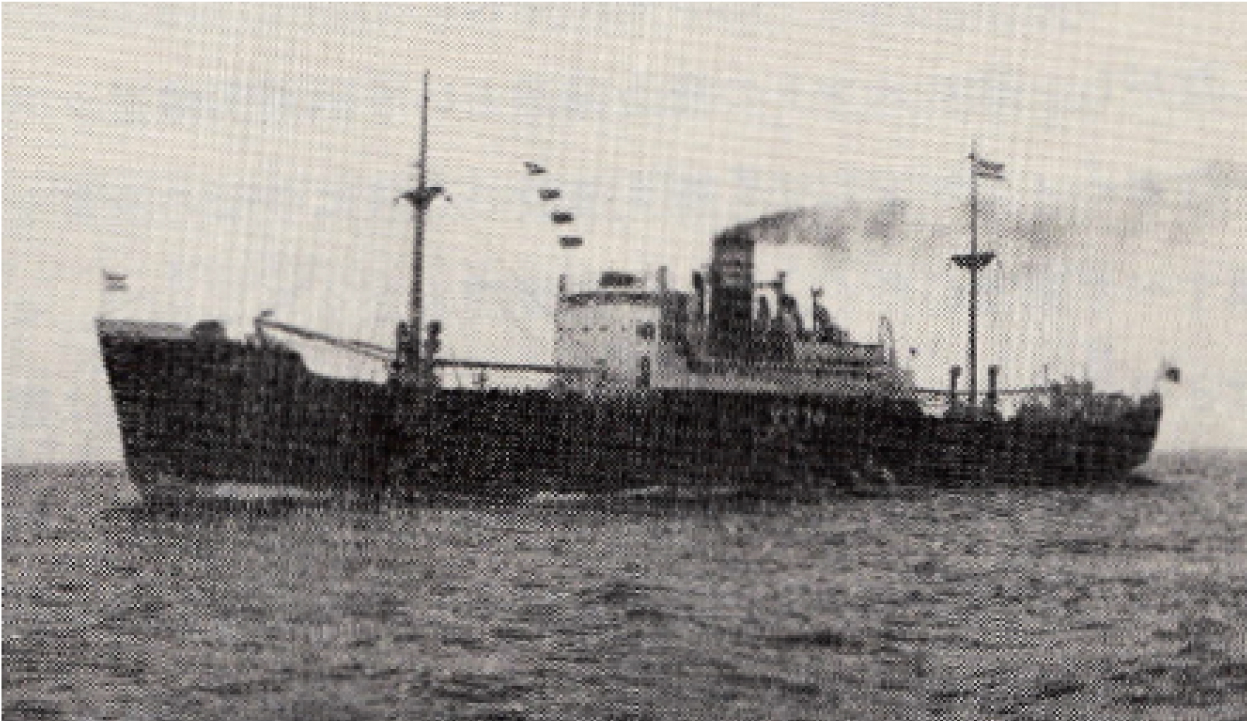
By privatizing large ships, the company began operating the cargo ship "Yoshino Maru" and launched the cargo ship "Toyoshiro Maru," the first cement carrier in Japan to be equipped with a pressure-type cargo handling device.

August 1953
We have started non-regular shipping to Taiwan.
April 1954
We have begun transporting tropical timber from the Philippines.
October 1968
We have begun transporting North Sea timber from the former Soviet Union.
April 1969
The company took over the management of all domestic shipping and coastal routes from Nippon Yusen Kabushiki Kaisha (NYK Line), and by taking over time chartered and commissioned ships from that company, the number of ships it operates now reaches 27 ships with a gross tonnage of 61,412 tons.
April 1970
The first RORO ship, "Hokutomaru," was newly built and put into service on the Osaka/Tomakomai route.


July 1972
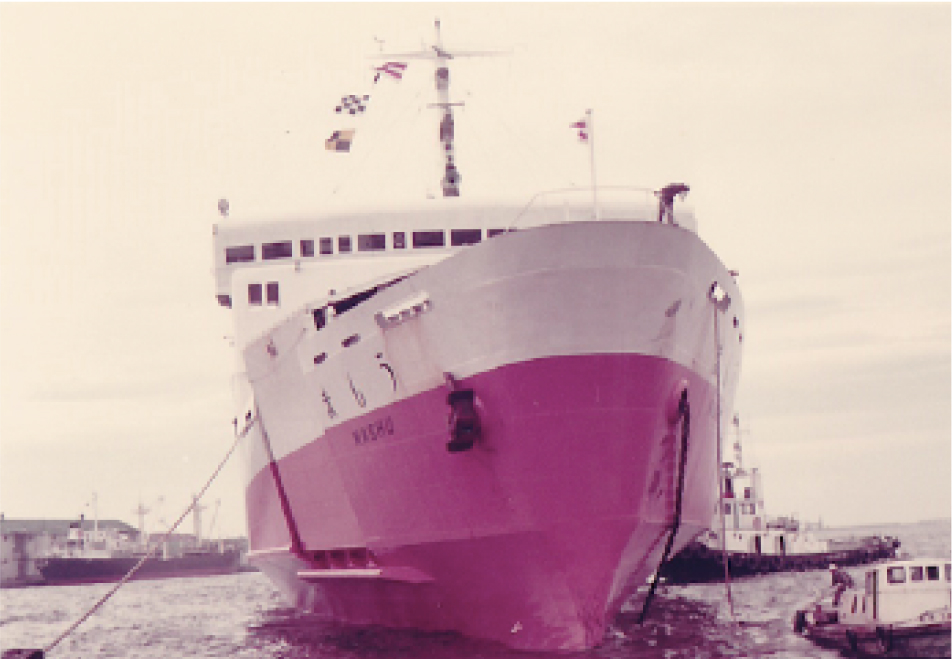
The car ferries "Marimo" and "Masui" were launched between Tokyo and Kushiro, and later the "Saroma" was added, making it a daily service.
September 1975
We have started a container feeder service between Tokyo and Otaru. (Kiyosaki Maru)
April 1980
We have been commissioned by Nippon Yusen Kabushiki Kaisha to transport automobiles to Southeast Asia.
April 1983
We have started a car transportation business (currently a freight transportation business).
May 1990
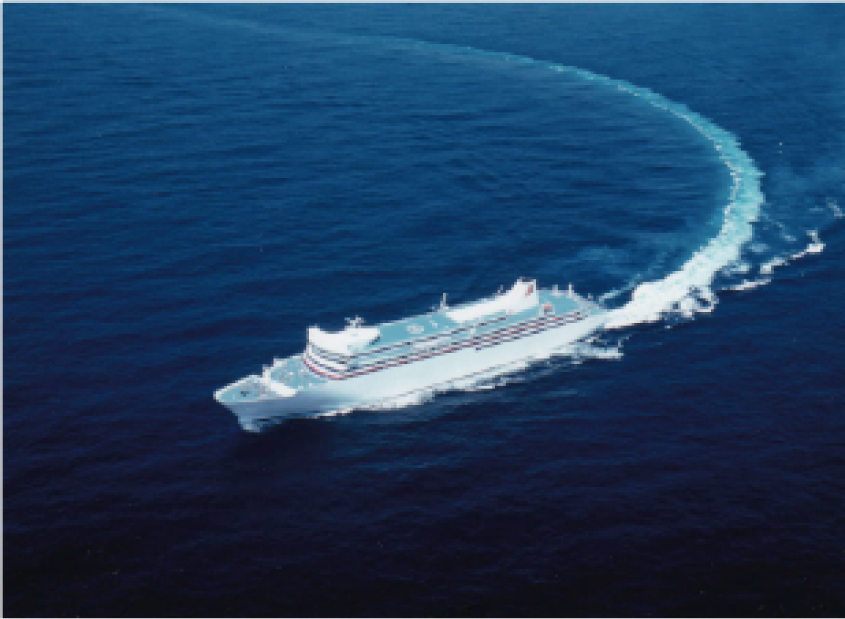
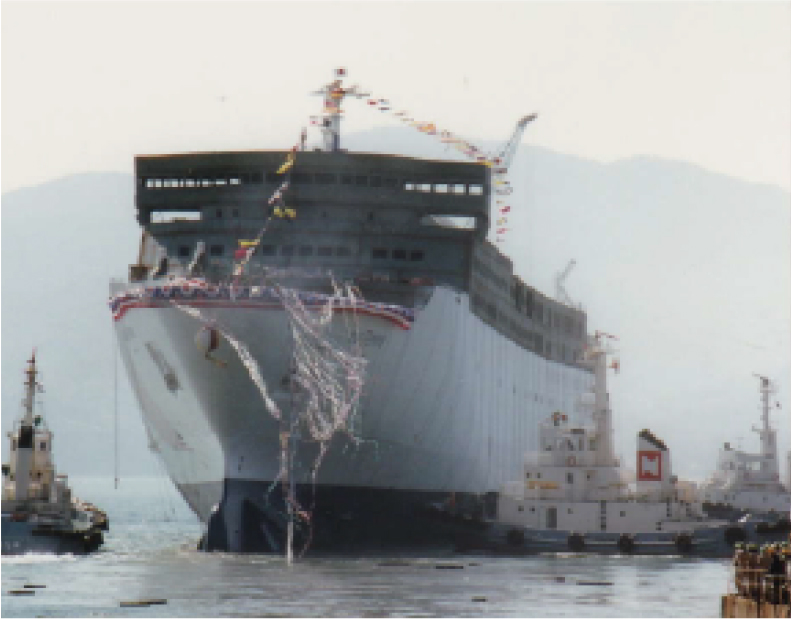
The car ferries between Tokyo and Kushiro have been replaced with the new "Sabrina" and "Blue Zephyr." Container feeder service between Keihin and Sendai has begun. (Showa Maru)
September 1993
We have launched a CGC ship dedicated to transporting automotive parts between Nagoya and Hakata.
April 1997
The car ferry route between Tokyo and Kushiro has been changed to Tokyo, Kushiro, and Tokachi.
July 1998
We expanded our dedicated ship division by launching a large limestone carrier.
May 1999
With the opening of Hitachinaka Port in Ibaraki Prefecture, the Osaka/Tomakomai route has been changed to Osaka/Hitachinaka/Tomakomai.
November 1999
The Tokyo/Kushiro/Tokachi car ferry route has been suspended, and a large RORO ship has been introduced as a replacement on the Tokyo/Kushiro route, specializing in cargo transport.
February 2000
We have built a new RORO-type carrier dedicated to paper rolls and put it into service between Tokyo and Tomakomai.
July 2001
The Hitachinaka port call on the Osaka/Hitachinaka/Tomakomai route was discontinued, and a new Hitachinaka/Tomakomai route was opened, and joint operations were commenced with Kawasaki Kinkai Kisen Co., Ltd. under a space charter.
June 2002
The Osaka/Tomakomai route was discontinued and the Tsuruga/Tomakomai route was opened, which significantly streamlined transportation between the Hanshin, Chukyo and Hokkaido regions.
July 2002
The Osaka/Naha route has been changed to Tokyo/Osaka/Naha, and we have begun joint operations with Ryukyu Kaiun Co., Ltd. on a space exchange basis.
December 2002
The new container ship "Harukaze" has entered service on the Keihin/Sendai route.
October 2003
The new company, Kinkai Yusen Logistics Co., Ltd., was established with 100% investment from Nippon Yusen, and in December of the same year took over the regular shipping business and intermodal transport business of the former Kinkai Yusen . At the same time, the company took over the long-familiar Kinkai Yusen and KYKLINE trademarks, funnel mark, and company flag.
October 2003
Kinkai Yusen Logistics Co., Ltd. was established with 100% investment from Nippon Yusen Kabushiki Kaisha.
December 2003
We have taken over the regular shipping business and intermodal transport business from Kinkai Yusen Co., Ltd. At the same time, we have opened the Tokyo/Tomakomai route.
April 2008
Yusen Kushiro Transport Co., Ltd. was renamed Kinkai Yusen Hokkaido Co., Ltd., and our operations in the Hokkaido region were outsourced to this company.
August 2008
We have outsourced our ship management operations to Kinyu Ship Management Co., Ltd.
August 2009
We have increased the number of vessels per day on the Hitachinaka/Tomakomai route, a jointly operated route with Kawasaki Kinkai Kisen Co., Ltd.
March 2011
The Great East Japan Earthquake occurred. Although our ports suffered extensive damage, we temporarily changed our Hitachinaka/Tomakomai route to the Kawasaki/Tomakomai route, maintaining our ability to support logistics between Honshu and Hokkaido, and contributing to reconstruction efforts.
April 2013
Our company name has been changed to " Kinkai Yusen Co., Ltd."
2015
Three new RORO ships, "Hidaka," "Tsuruga," and "Hokuto," have entered service on the Tsuruga/Tomakomai route.
2018
Two new RORO ships, "Marimo" and "Masyu", have entered service on the Hitachinaka/Tomakomai route.
April 2019
The Tsuruga/Hakata route was opened, connecting Hokkaido to Kyushu via Tsuruga, streamlining transportation between Kyushu/Hanshin and Chukyo/Hokkaido.
July 2022
The new RORO ship "Shuri" has entered service on the Tokyo/Osaka/Naha route.

- What is Kinkai Yusen ?
- History of Kinkai Yusen